

Does heat effect heart rate? Simple answer is that yes, it can. But simple answers do not tell the whole story. We talk a lot about the importance of staying physically active for your heart health, but precautions are necessary when exercising in humid weather.
Heat and Humidity can Affect Everyone
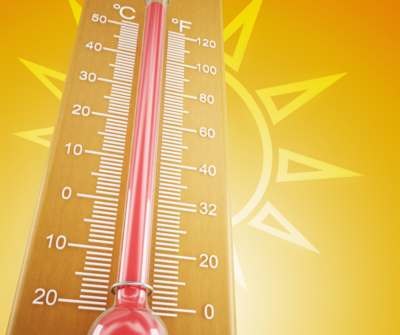 As the temperature rises your heart beats faster and works harder to keep the body cool. If you have heart disease or a heart condition, you may not adapt easily. This means they are at risk for heat stroke.
Sweating, the body’s natural response to overheating, can be risky for people with heart disease. It removes not only water but also necessary minerals from the body, causing added stress on the heart.
Medication may also change the way the body responds to heat. Diuretics and beta blockers remove fluids from the body which increases risk of dehydration. ACE inhibitors and calcium channel blockers can also affect the body in the heat.
 DO NOT STOP TAKING YOUR PRESCRIBED MEDICATIONS.
 DO NOT STOP TAKING YOUR PRESCRIBED MEDICATIONS.
If you are concerned about how your medication may affect your body’s response to heat and humidity, talk with your health care provider. They will counsel you on any precautions for your specific needs.
Who is at most risk?
 People with high pressure, heart disease, lung disease or kidney disease are most vulnerable to the effect of humid conditions. Other risk factors that may affect your body’s ability to cool itself include weight, poor circulation, alcohol, and medications.
If you are at risk talk with your doctor about the impact of heat and humidity for your medical history.
Heat Related Illnesses
The Centers for Disease Control and Prevention report that over 600 deaths per year in the U.S. are attributed to heat-related illnesses. Heat exhaustion, heat stroke and hydration account for over 65,000 emergency room visits. Do not ignore the warning signs.
Symptoms of Heat Exhaustion
 Heat exhaustion is a form of heat sickness that can lead to heat stroke. The symptoms include:
- Heavy sweating with cool, clammy skin
- Fatigue
- Nausea
- Fainting
Symptoms of Heat Stroke
Heat stroke is an emergency. If you experience the following symptoms, apply cool water to your skin immediately and seek medical help.
- High fever
- Hot, dry skin without sweating
- Pounding pulse
- Dizziness
- Nausea and/or vomiting
- Confusion
- Unconsciousness
Getting out of the heat immediately, applying cool water to your skin, and drinking cool (not cold) water can help you stop heat exhaustion before it worsens.
 Pay Attention to Weather Reports
 Pay Attention to Weather Reports
Heat disorders can occur any time the temperature and humidity both rise above 70F and 70% respectively or the heat index is greater than 80F.
Take Precautions to Protect Your Heart
Even a health heart can run into problems when the temperature and humidity rise. On hot and humid days take precautions to protect your body and heart when outside.
Drink plenty of fluids
Staying hydrated help your heart pump blood more easily. Drinking fluids is one of the most import heart protecting precautions you can take in hot weather.
Age, gender, and activity level determines the amount of fluid you should drink every day. Experts recommend that you use the color of your urine as a guide. If you well hydrated it will be pale yellow. Dark and concentrated means you need more fluids.
Dress for the weather
 Dress for the weather
Wear breathable and light-colored fabrics. A hat to block the sun and well-ventilated shoes and moisture wicking socks are also recommended. Choosing the right clothing will help your body regulate temperature.
Take it easy
Exercising outside on a hot and steamy day can cause excessive strain on your heart. Do not push yourself too hard.
Go outside in the morning and evenings
Avoid being outside during the hottest part of the day (10am-2pm). Schedule activities for early morning or during sundown.
Use the buddy system
 Use the buddy system
Having a friend with you on those hot and humid days will provide a safety net. If you or your friend overhead, you will be able to help each other.
Stay inside
If you do have a heart condition or take medications like diuretics it may make more sense for you to stay inside in air conditioning. Talk to your doctor about approved exercises where weather will not be a problem such as a swimming pool or indoor gym.
Dr. Bobish
Talk to your doctor about any concerns you may have about medication and/or physical activity and how heat and humidity may affect you.
Dr. Bobish and her team is here to support you and are committed to keeping you healthy and heart smart! Request an appointment at 989-448-7002