
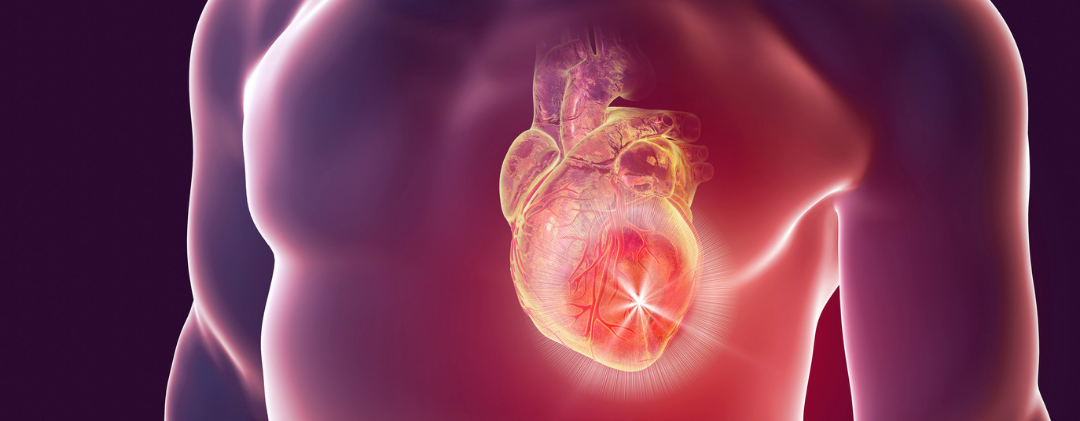
You Survived a Heart Attack, Now What?
You probably have questions along with feeling overwhelmed and worried. It is a life altering event and lifestyle changes are recommended. Most people survive a first heart attack and go on and live full and productive lives. To ensure you do the same take an active role in your recovery and your health.
 When you are released from the hospital you will likely receive instructions with a lot of information about medications and lifestyle changes. Your doctor will tailor their recommendations based on the level of damage or disease specifically to you. A heart attack is not a sign you should back away from life and doing the things you like to do. It is a sign that you need to make your physical and mental health your priority.
According to the American Heart Association, 1 in 5 people who has a heart attack is readmitted to the hospital for a second one within five years. But with proper self-care and a focus on your health, you can lower your risk of recurrence.
Recovery can be a difficult journey, but there is no reason to go it alone. The people in your life can help you navigate the difficult road ahead.
How soon will I be back to normal?
 After a heart attack and possibly surgery you may feel better than you have in a few years and easy to jump right back into your regular life. It is important to listen to your healthcare team and follow their advice about when you can be active again. Give your heart a chance to heal and you to adjust to what has happened.
It may take a while for you feel like yourself again after a heart attack. The good news is that you will likely be able to get back to all the things you enjoy.
Can I drive after a Heart Attack?
 The simple answer is yes, most people drive again after about a week. In more severe cases you may need to stop driving for 4 weeks. Your healthcare team will advise how long you must wait before driving after your heart attack.
If you drive commercially, you should talk with your company before driving again.
Can I go back to work?
How long before you can return to work varies. Most people can return to work after a having a heart attack. How quickly depends on your health, the extent your heart is damaged and the kind of work you do.
Light office duties may be as soon as 2 weeks. If your job is heavy manual tasks, it could be several months before you are back on the job. Your healthcare team will provide recommendations for when you should be able to return to work.
Emotions
 After a heart attack is it normal to be afraid. You may also experience denial, anxiety, and depression. These feels often last anywhere from 2 to 6 months. These feeling may hinder your ability to make lifestyle changes. You may want to talk to a mental health specialist to help you deal with these negative feelings. Let your doctor or family know about what you are going through. They cannot help you if they do not know what you are facing.
Meeting other heart attack survivors and joining a local or national support group can provide the support and camaraderie you need to deal with any emotional ups and downs.
Your family may experience some of the same things. Your heart attack may have a big emotional impact on your loved ones. They may feel frightened because of the chance the of losing you. Or angry and resentful if they feel you have not tried to live a healthier life. Teenagers may think they contributed to your heart attack. Get these feeling out in the open and talk about it. If you think counseling may help, ask your doctor to refer you to someone.
What about Sexual Activity?
Sex can be safe for most people after a heart attack once they are feeling well enough. Most healthcare professionals recommend waiting at least 3-6 weeks before having sex again.
Having sex will not put you at a further risk of having another heart attack.
Can I start or resume exercising?
 Physical activity will be an important part of your recovery and returning to normal. Make a plan with your healthcare provider for adding physical activity back into your daily life. You should rest and only do light activities such as taking short walks or walking up and down the stairs a few times a day.
Your doctor will likely recommend that you participate in cardiac rehabilitation. A cardiac rehab program can aid in getting on the road to heart health. They often provide guidance on weight management, nutrition, exercise, and risk reduction.
Your care team will provide detailed advice about a plan to increase your activity levels. Studies have shown that participants in cardiac rehab tend to live longer and have a better quality of life after a heart attack.
Never start a new exercise program or resume one without speaking to your health care team first.
How do I reduce my risks of another heart attack?
As we have talked about many times the best prevention and heart disease is a healthy lifestyle. This applies pre or post heart attack.
Once you have had a heart attack the focus is on preventing a second one. This involves making lifestyle changes and may include taking different medicines long term. There is no time like now to get started on your heart-health journey.
Tips for a Healthier Lifestyle
Set SMART Goals
Making lifestyle changes that lower your risk factors are not easy. Make sure your goals are:
- Specific
- Measurable
- Attainable
- Realistic
- Timely
By setting realistic specific goals that you can see the effectiveness and are reachable in a time period will help you succeed. Each goal you hit helps to make the changes part of a lifelong healthy lifestyle.
Talk to your doctor
 Talk to your doctor to understand your risk factors and how to help prevent future damage to your heart. Your healthcare team will help you understand your type of heart disease. They will recommend steps you need to take to recover and prevent another one in the future.
- Heart healthy diet and exercise
- Maintain a healthy weight
- Manage stress and take care of your mental health
- Lower your blood pressure and cholesterol
- Manage/check for diabetes
- Quit smoking and/or other tobacco products
- Limit alcohol and caffeine
- Take medications as directed by your healthcare team
Know the warning signs
 If you have had a heart attack you are at higher risk of heart problems. Know the warning signs and seek emergency medical care if you have symptoms. Whether these occur while you are active or resting you should not ignore these:
- Chest pain (angina)
- Tightness or pressure in your arms, neck, jaw, or stomach
- Shortness of breath
- Dizziness, weakness, or fainting
- Pale, sweaty skin
- Fast or irregular heartbeat
- Nausea and/or vomiting
- Swelling or pain in your legs
- Sudden Fatigue
The Take-Away
Heart attacks are not a death sentence anymore, if you take good care of yourself. A heart attack does not mean the end, it could mean a new beginning.
Talk to your doctor about making healthy food choices and finding activities that you enjoy and are safe for you. Ask how small changes can make big improvements.
Dr. Bobish and her team is here to support you as you adjust to life after a heart attack. We are committed to keeping you healthy and heart smart! Request an appointment at 989-448-7002