It is easy to stay active when it is warm, and the sun is shining. What about when it is cold, dark, and snowy? With proper planning and precautions, you can stay active when the snow starts blowing.
You can maintain a healthy active lifestyle with these tips and recommendations.
 Cold weather exercise is safe for most people. Check with your doctor before starting a new exercise routine. Make sure you review any special precautions you should take with your health care team.
Proper Attire
Wear layers! Moisture wicking material should be close to your skin. The next layer should be the insulating layer and the outer layer should be wind and rain repellant. Only wear the last layer if it is snowing, raining or very windy. This layer may not allow for proper evaporation and may trap sweat. You may wear it during rest times outdoors.
As you are bundling up do not forget to protect your extremities. Wear a hat that will retain heat and help wick away sweat. Gloves or mittens to protect your hands and fingers. Mittens over gloves provide great protection during extreme cold. Your winter footwear should be warm, waterproof and provide good traction if walking or hiking. Thermal socks or doubling up your socks will help keep your feet nice and toasty.
Protect your Skin
 Many do not think about protecting their skin from the sun’s UV rays in the winter months. Even though it may not feel hot, the sun can still damage your skin. When snow is on the ground it can reflect the sunlight and the risk is greater. Apply a sunscreen and lip balm with at least a 30 SPF.
Do not forget to Stretch
Warming up and cooling down your muscles and body are important for wintry weather activities. Cold muscles are at a greater risk for strains and injuries. Stretching helps to loosen your joints, get your blood flowing and warm up your muscles and tissues. Simple arm circles or swings, high steps and lunges are all great pre-exercise activities.
Hydration
 Staying hydrated is just as important during the cold as in the heat. Advice is the same, drink water or sports drinks before, during and after. Even if you do not feel thirsty, the cold can diminish your thirst by up to 40%.
Dehydration in the cold can happen from sweating and breathing the cold dry air. In chilly weather your body warms the air and humidifies it when you breathe in. The vapor you see when you exhale is actually fluid loss.
A scarf over your face or a facemask can help prevent dehydration as well by keeping your airways moist.
Benefits of Cold Weather Activity
 Besides the obvious benefit of keeping your body moving and your heart pumping, going outside during the colder months offers additional benefits.
There have been studies that have shown that cold weather can turn white fat (particularly belly and thigh) into calorie burning brown fat. The sunlight may ward off seasonal affective disorder (SAD) that people may experience during the winter months.
Another advantage to exposure to sunlight is helping your vitamin D levels. Our bodies produce vitamin D by turning direct sunlight into an active form of the nutrient. Studies have shown that after age 50 our bodies produce less Vitamin D. There is speculation that one of the reasons is that older folks do not go outside as much. Even if you are on vitamin D supplements exposure to the sun will help your bones, your muscles and outlook.
When is it too cold?
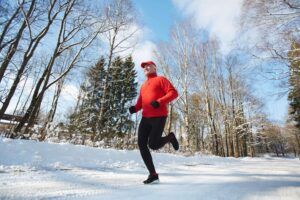 When the temperature drops below 0 degrees or windchill reaches -17 degrees you should move your exercise indoors. The risk of hypothermia and frostbite increases as the temperature drops and wind speeds pick up. You can develop frostbite in as little at 30 minutes at a windchill of -19 degrees.
If you suspect frostbite, you should get out of the cold immediately. Do not rub the affected, you could damage your skin. Warm the affected area slowly and seek emergency care if the numbness does not go away.
Hypothermia is low body temperature. This may occur when exposed to cold temperature and your body loses heat faster than it is being produced. Older adults are at greater risk and should seek emergency help for possible hypothermia.
During extreme weather move your activity indoors at the local gym or walking around a store. If you are outside, consider shortening it and know when to head home to the warmth. Also, it is recommended that you let a family member or friend know your route and when you expect to return. If something were to go wrong, they will know where to send help.
Have Fun!
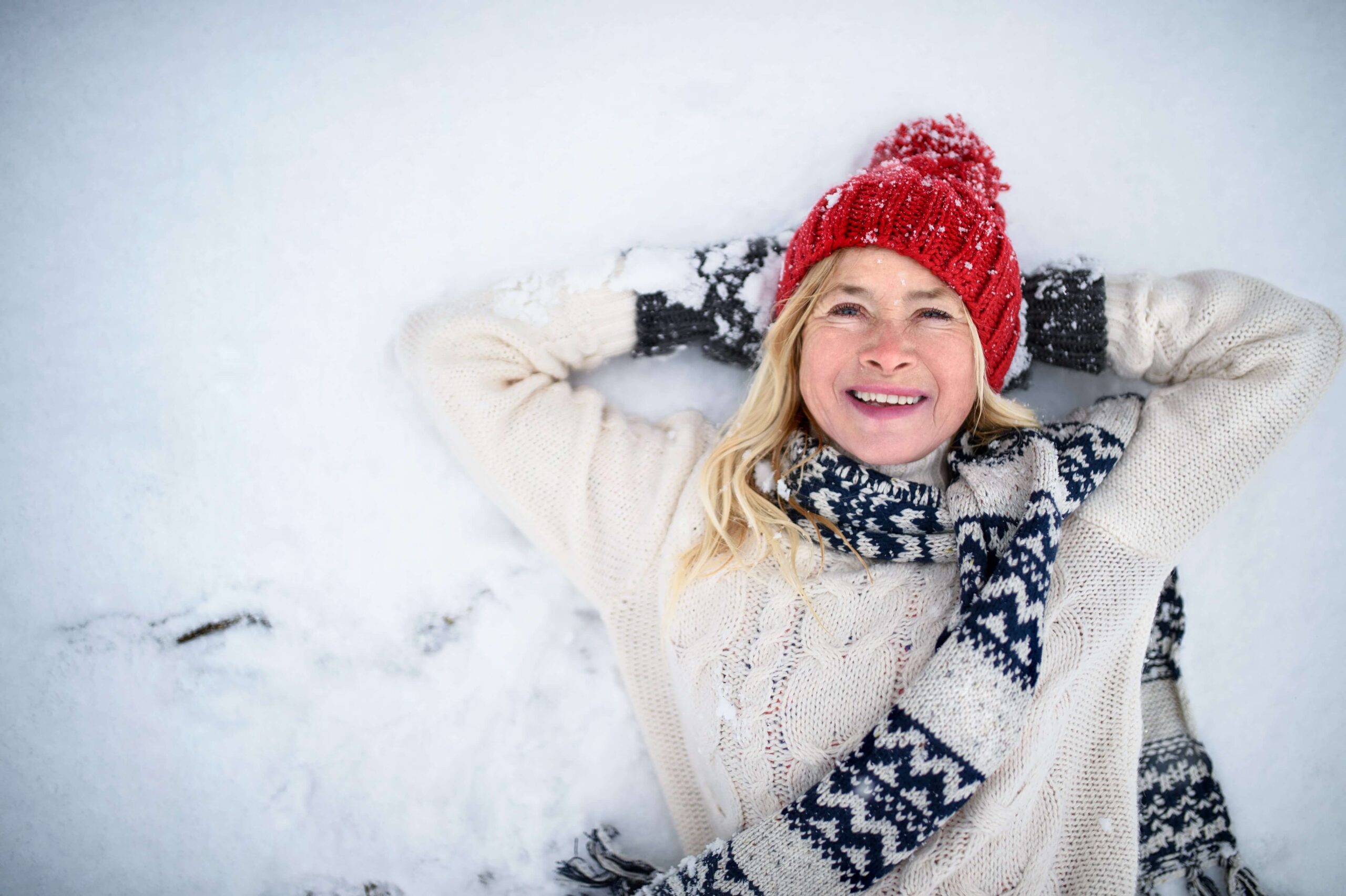 Pick outdoor activities that you enjoy. Northern Michigan offers great options to stay active in winter.
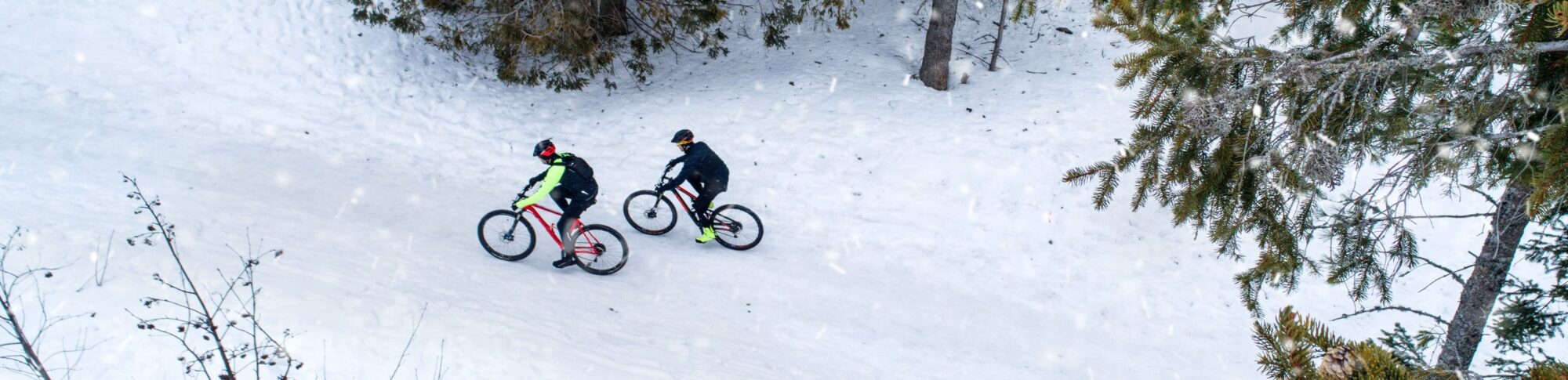
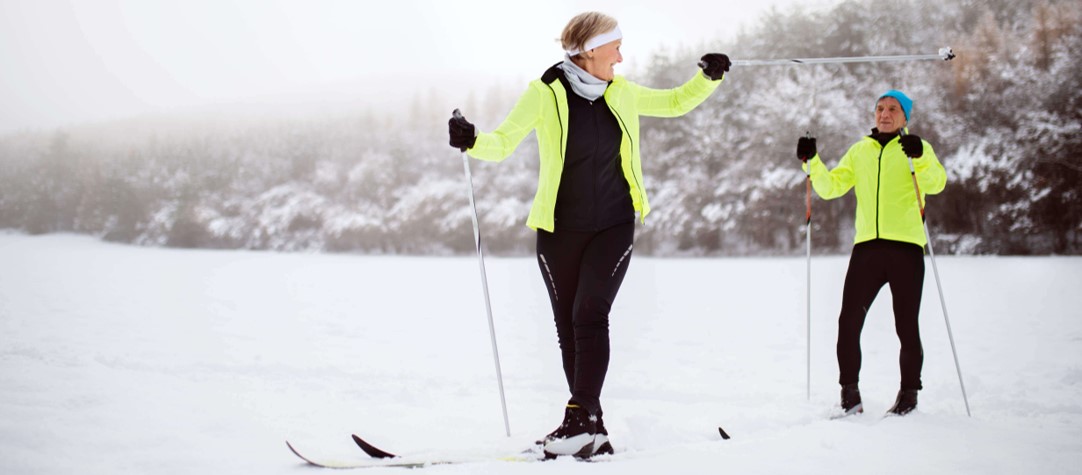
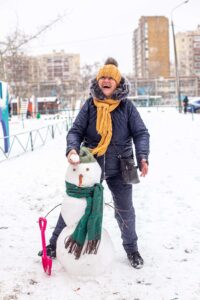
Most communities have parks with walking trails that take you through a winter wonderland. There are trails for walking, snowshoeing or cross-country skiing. Bicycling is available on the roads and some trails offer groomed conditions to accommodate biking. Ice skating on an area lake or community rink is a great for all levels. Even building a snowman or a snow fort with the family offers benefits to keep you moving. Take the kids or grandkids sledding on a neighborhood hill.
Adding variety, laughter and family to your outdoor activities makes it all the more fun!
Check with your Doctor
As stated earlier, if you are not use to physical activity in the cold weather check with your doctor before heading outside. Talk with your healthcare team if you have certain conditions like asthma or heart problems. They can advise you on any special precautions you should take.
Dr. Bobish and her team are committed to keeping you healthy and heart smart.