When someone says heart failure people may think that their heart stopped working. Heart Failure means that the heart cannot pump properly so that the body receives the needed blood and oxygen.
Over 6 million people in the United States have heart failure. Two hospitalization every minute are the results of heart failure. 1 in 5 or 20% of people will develop heart failure in their lifetime.
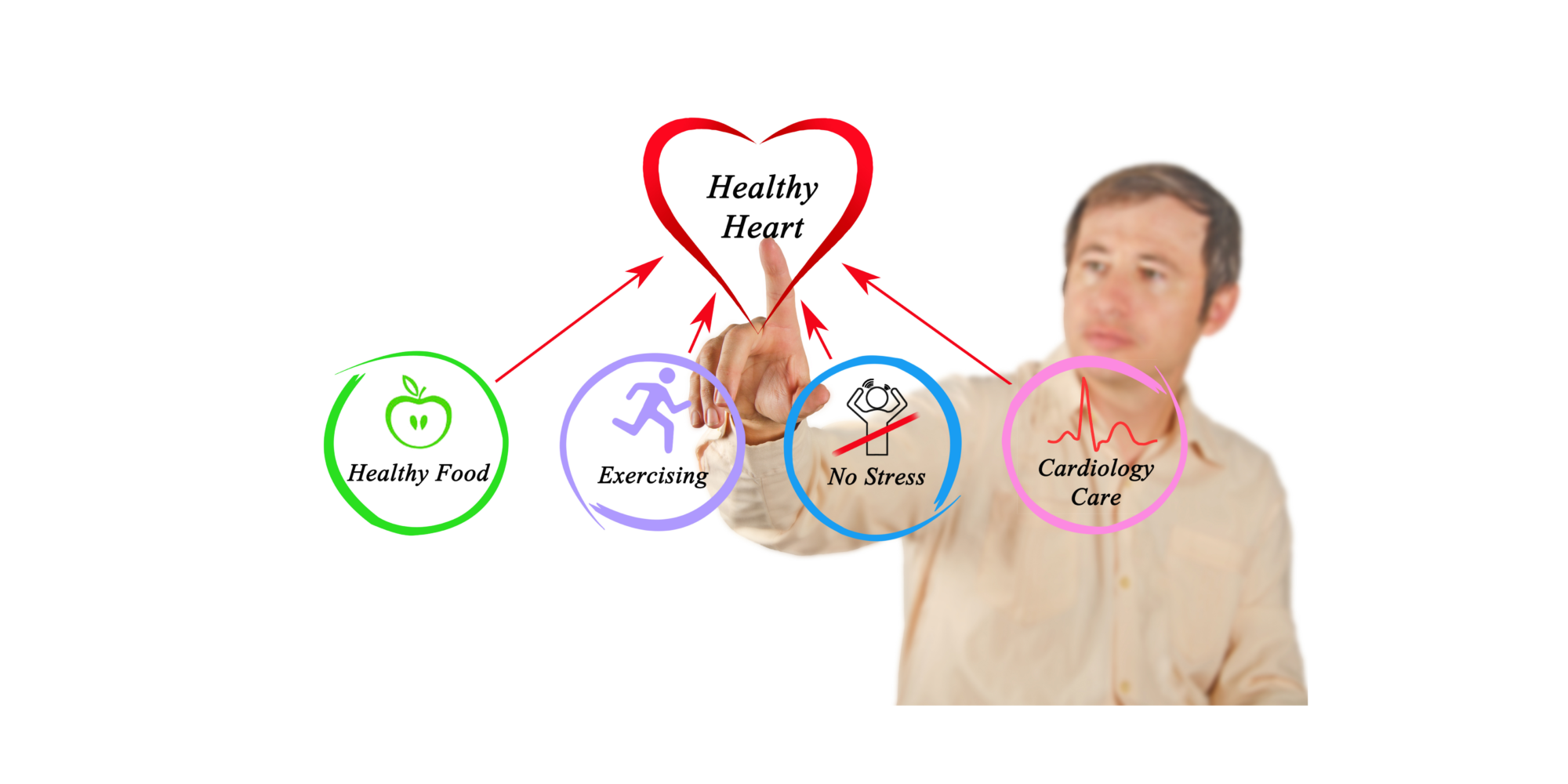
Healthy Heart – heart has strong muscular walls that will squeeze and relax to pump blood out to all the organs and other parts of the body.
Types of Heart Failure
Heart failure can change the structure of your heart. Your heart is a muscle and when it is failing your heart is not performing the way it was designed. Both types of heart failure share the same symptoms. Either way, the result is less blood being pumped out to the body.


Heart Failure with Reduced Ejection Fraction (HFrEF) – heart muscle becomes overstretched and too weak to pump blood properly.
Heart Failure with preserved ejection fraction (HFpEF) – heart muscle becomes stiff and loses its ability to relax normally. The heart cannot function as it should.
Undiagnosed Heart Failure
Heart failure often goes undiagnosed because the symptoms are confused with signs of aging or other conditions. People with heart failure often have other conditions such as diabetes, high blood pressure, COPD, or obesity. These conditions often present similar symptoms as heart failure.
Fluid buildup and reduced blood flow is the real cause of heart failure and underlying conditions may contribute to heart failure.
Recognizing Signs of Heart Failure
Because the signs of heart failure can be confused with other issues it is important to talk to your doctor if you notice any new or worsening symptoms. If you notice shortness of breath or a rapid weight gain, call your doctor. A rapid weight gain may be a sign of retaining fluids and may put you at greater risk for hospitalization.
 Shortness of breath with everyday activities. The heart cannot pump enough to keep up with the blood supply. This causes fluid to back up and leak into the lungs.
 Swelling in the legs, ankles, or feet. When fluids collect in your tissues it makes it difficult for your heart to pump strongly enough.
 A persistence dry and hacking cough. The heart cannot keep up with the pumping the blood to the rest of your body. This may cause fluids backing up and leaking into your lungs.
 Difficult sleeping while lying flat. When laying flat fluids can build up in the longs because the heart cannot keep up. This will make it difficult to sleep comfortably while in the prone position.
 Rapid weight gain. Because the heart cannot keep up the blood supply fluids back up. The backed-up fluids will collect in your tissue. Weight gain could be 3 or more pounds in a day.
 Frequently feeling tired. The limited blood supply is needed for the body’s main organs like the heart and brain. This means your arm and leg muscles are not receiving adequate blood supply and will cause fatigue.
Diagnosing Heart Failure
Diagnosing heart failure often means eliminating other possibilities. This can be frustrating for both the patient and the heath care provider.
Diagnosing HFrEF – Following tests may be required:
- Echocardiogram (ECG) – the most widely used test
- MUGA Scan
- Cardiac catheterization
- Nuclear stress test
Diagnosing HFpEF – This type of heart failure is more challenging to diagnose because an ECG will show an ejection fraction I the normal range. Eliminating other possibilities to arrive at a diagnose can take over a year. Following tests may be required:
- Clinical signs of heart failure
- Evidence of preserved or normal left ventricular ejection fraction (LBVEF)
- Evidence of abnormal left ventricular (LV) diastolic dysfunction that can be determined by Doppler echocardiography or cardiac catheterization.
Managing Heart Failure
Managing diagnosed heart failure will mean following a plan prescribed by your health care team. Keeping your weight and salt intake down and your mood and activity may help you live a longer life.
Changing diet and exercise habits can be challenging. Talk with your doctor ask about medication, cardiac rehabilitation, and other support options.
Dr. Bobish and her team are focused on preventative care and compassionate treatment. She takes the time to listen to her patients. Call 989-448-7002 to schedule your appointment.