
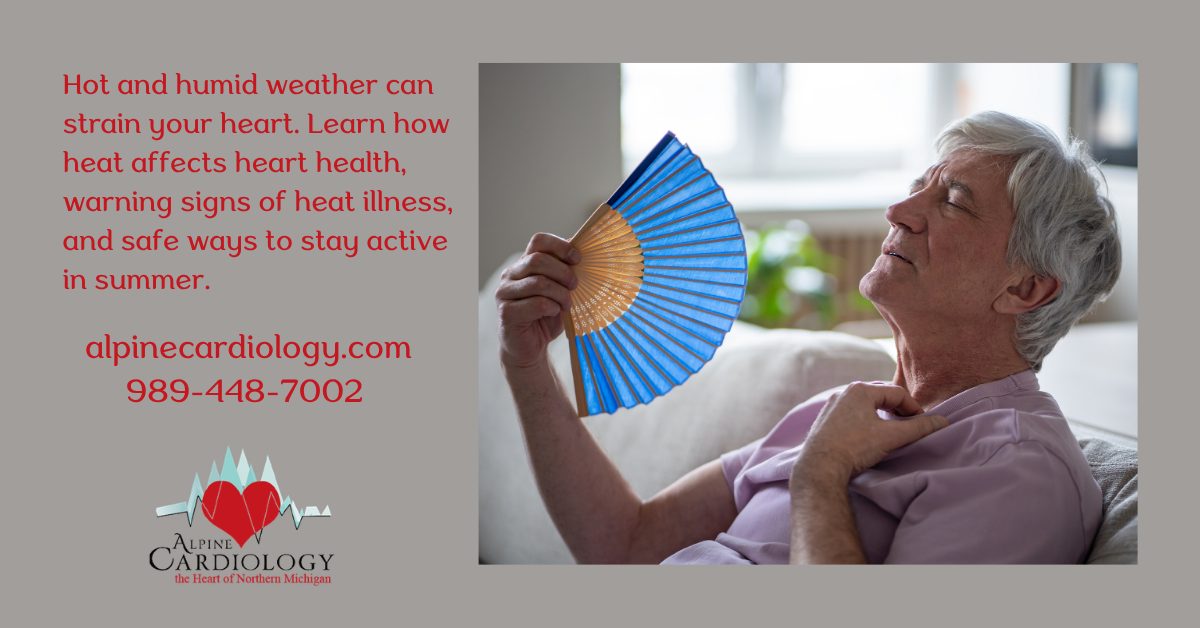
Does heat affect your heart rate? The simple answer is yes, but the full picture is more complex. While regular physical activity is essential for heart health, hot and humid conditions require extra caution, especially for those with heart conditions.
Why Heat and Humidity Matter
As temperatures rise, your heart must work harder to help regulate body temperature. It beats faster and pumps more blood to the skin to support cooling through sweating.
For people with heart disease, this increased workload can be more difficult to manage, raising the risk of heat-related illnesses such as heat exhaustion or heat stroke.
Sweating, the body’s natural cooling response can also lead to dehydration and loss of essential minerals. This can place additional strain on the cardiovascular system.
Medications and Heat Sensitivity
Some heart medications can affect how the body responds to heat.
- Diuretics and beta blockers may increase the risk of dehydration
- ACE inhibitors and calcium channel blockers can alter circulation and heat tolerance
Never stop taking prescribed medications without consulting your healthcare provider.
If you are concerned about how heat may affect you, speak with your care team about appropriate precautions.
Who Is Most at Risk?
Individuals with the following conditions may be more vulnerable to heat and humidity:
- High blood pressure
- Heart disease
- Lung disease
- Kidney disease
Additional risk factors include excess weight, poor circulation, alcohol use, and certain medications.
Heat-Related Illnesses
According to the Centers for Disease Control and Prevention, more than 600 deaths each year in the U.S. are linked to heat-related illness. Emergency visits for heat exhaustion and heat stroke are common during hot weather.
Symptoms of Heat Exhaustion
- Heavy sweating with cool, clammy skin
- Fatigue
- Nausea
- Fainting
Symptoms of Heat Stroke (Medical Emergency)
- High body temperature
- Hot, dry skin with little or no sweating
- Rapid, pounding pulse
- Confusion or dizziness
- Nausea or vomiting
- Loss of consciousness
If symptoms of heat stroke occur, seek immediate medical attention.
Monitor Weather Conditions
Heat-related illness can occur when temperatures and humidity levels rise significantly. Pay attention to heat index warnings and adjust outdoor activities accordingly.
How to Protect Your Heart in Hot Weather
Stay Hydrated
Proper hydration helps your heart pump blood more efficiently. A simple way to monitor hydration is urine color, pale yellow typically indicates adequate hydration.
Dress for the Conditions
Wear lightweight, breathable clothing in light colors. A wide-brimmed hat and moisture-wicking socks can help regulate body temperature.
Pace Yourself
Avoid strenuous outdoor exercise during extreme heat. Listen to your body and take frequent breaks.
Plan Outdoor Activities Wisely
Schedule activities in the early morning or evening, and avoid peak heat hours (typically 10 a.m. to 2 p.m.).
Exercise with a Partner
Using the buddy system adds an extra layer of safety if symptoms develop.
Consider Indoor Options
If you have heart disease or take medications that affect hydration, indoor exercise such as walking in air-conditioned spaces, swimming, or gym workouts may be safer.
Talk with Your Healthcare Provider
If you have concerns about exercising in heat or how medications may affect your body’s response to hot weather, discuss these with your healthcare provider. Personalized guidance can help you stay active while protecting your heart.
Dr. Bobish
Dr. Bobish and her team’s goal is to help you reduce your risk of heart disease. Helping you to understand your risk factors and make healthful lifestyle changes.
Remember regardless of age or current state of health it is never too late to start protecting your heart. It is also never too soon and the sooner you act the better. Follow us on Facebook to see our latest post helping to keep you heart healthy. You can also explore all our articles that offer diet and exercise tips, recipes and information on procedures and heart disease.
Dr. Bobish and her team focus on preventative care and are here to support you. Alpine Cardiology provides patients with education as well as compassionate care and treatment. We are committed to keeping you healthy and heart smart! Request an appointment at 989-448-7002