
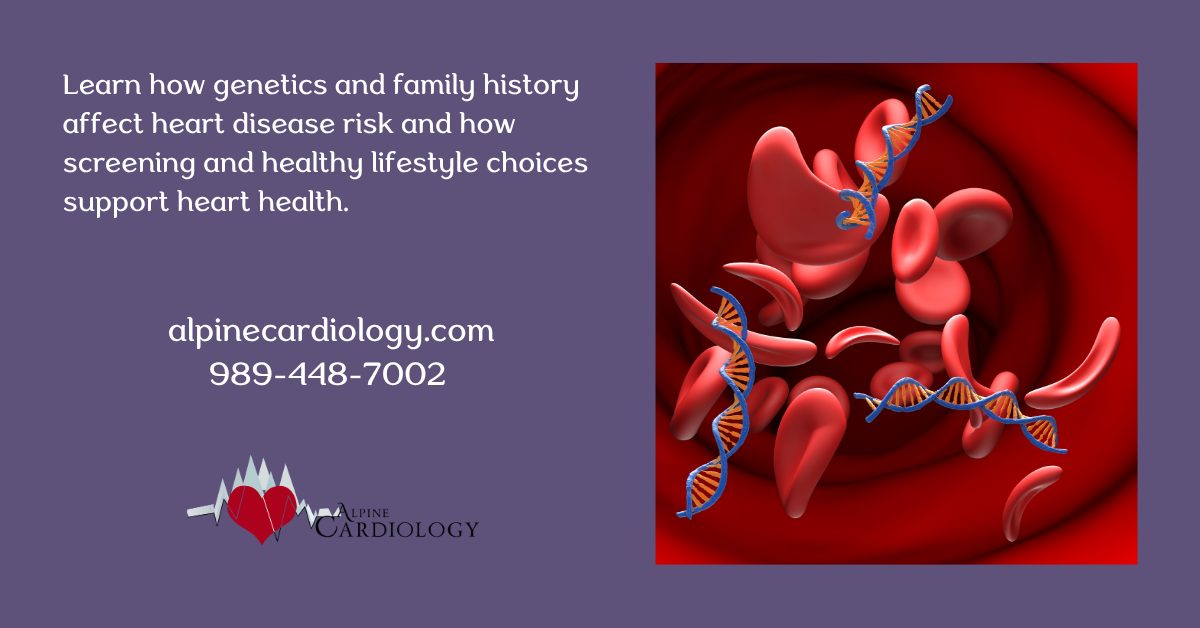
How family history can influence cardiovascular risk
Your genes help determine many aspects of your health, including your risk of certain heart conditions. While heart disease is influenced by lifestyle and environment, family history can also play an important role.
Understanding your inherited risk allows you and your healthcare provider to take steps toward prevention, early detection, and effective treatment.
Why family history matters
If a close family member such as a parent or sibling has experienced heart disease at a younger age, your risk may be higher. This is especially true if heart attack, stent placement, or bypass surgery occurred before age 55 in men or age 65 in women.
A family history of high blood pressure, diabetes, or high cholesterol can also increase your likelihood of developing cardiovascular disease.
Types of inherited heart conditions
Certain heart related conditions may run in families. These can include
- Cardiomyopathy, a disease of the heart muscle
- Heart rhythm disorders
- Heart valve conditions
- Genetic forms of high cholesterol
- Pulmonary hypertension
- Inherited aortic conditions
- Some autoimmune conditions that affect the heart
Recognizing patterns within your family can help guide screening and monitoring.
How inherited heart conditions develop
Inherited cardiovascular conditions often result from changes in specific genes. If a parent carries a genetic change, there may be a chance of passing it to their children.
Not everyone who inherits a genetic risk will develop heart disease, but awareness can help guide preventive care.
Possible symptoms to watch for
Inherited heart conditions may cause symptoms such as
- Chest discomfort
- Fatigue or reduced exercise tolerance
- Heart palpitations
- Shortness of breath
- Dizziness or fainting
In some cases, symptoms may not appear until the condition has progressed.
How inherited conditions are diagnosed
Your healthcare provider may begin with a physical exam and a detailed review of your personal and family medical history.
Additional testing may include heart imaging, rhythm monitoring, stress testing, or genetic testing. These tools help identify potential concerns and guide treatment decisions.
The role of lifestyle in heart health
Even with a strong genetic risk, healthy lifestyle habits can make a significant difference. Smoking, poor nutrition, inactivity, and excess weight can increase the likelihood of developing heart disease.
Conversely, heart healthy habits can help reduce risk and improve overall wellbeing.
Steps to support your heart
Consider the following strategies to support cardiovascular health
- Follow a balanced and heart supportive diet
- Stay physically active with guidance from your provider
- Avoid tobacco use
- Manage stress effectively
- Maintain regular medical checkups and recommended screenings
Treatment options
Management of inherited heart conditions may include medications, monitoring, or procedures depending on the specific diagnosis. Your care team will recommend a personalized plan based on your needs.
Staying proactive about your heart health
Knowing your family history and maintaining regular communication with your healthcare provider are key steps in protecting your heart.
Early awareness, preventive care, and healthy lifestyle choices can help you manage genetic risk and support long term cardiovascular health.
Your heart care team is here to guide you with education, screening, and compassionate care.
Dr. Bobish
Dr. Bobish and her team’s goal is to help you reduce your risk of heart disease. Helping you to understand your risk factors and make healthful lifestyle changes.
Remember regardless of age or current state of health it is never too late to start protecting your heart. It is also never too soon and the sooner you act the better. Follow us on Facebook to see our latest post helping to keep you heart healthy. You can also explore all our articles that offer diet and exercise tips, recipes and information on procedures and heart disease.
Dr. Bobish and her team focus on preventative care and are here to support you. Alpine Cardiology provides patients with education as well as compassionate care and treatment. We are committed to keeping you healthy and heart smart! Request an appointment at 989-448-7002