

We usually share ways to keep you heart healthy. We thought you may enjoy some fun facts about the heart. Heart disease is the number 1 cause of death in the United States. The average heart is the size of a fist in an adult. Your heart can weigh between 7 and 15 ounces. A… Read More »
Heart Disease
Heart Chamber Conditions and Disorders
September 5, 2022 at 5:53 pm

What conditions and disorders are related to the heart chambers A couple of weeks ago we did an article about how your heart works and one of the important parts of your heart’s structure is the 4 chambers. This week we will talk about what types of heart problems are related to your heart chambers…. Read More »
What is Cardiac Catheterization?
August 8, 2022 at 2:57 pm
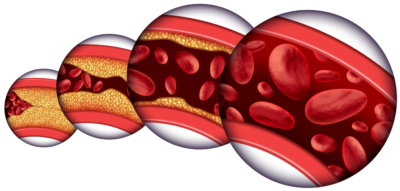
And why is my doctor recommending it? Cardiac catheterization often referred to as heart catheterization is the insertion of a catheter into a chamber or vessel of the heart. This procedure is done for both diagnostic and interventional purposes. This is a common procedure that is minimally invasive and helps your cardiologist determine and… Read More »
Is heat and humidity hard on the heart?
July 25, 2022 at 9:35 am
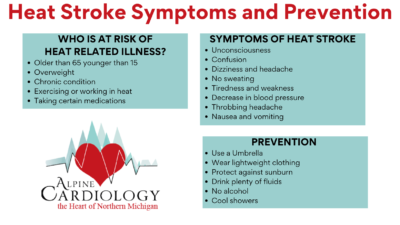
Does heat effect heart rate? Simple answer is that yes, it can. But simple answers do not tell the whole story. We talk a lot about the importance of staying physically active for your heart health, but precautions are necessary when exercising in humid weather. Heat and Humidity can Affect Everyone As the temperature… Read More »
Why am I being referred to a Cardiologist?
July 11, 2022 at 6:00 am

A cardiologist specializes in diagnosing treating heart conditions and diseases. Heart disease includes your heart and blood vessels – the cardiovascular system. If you think you are experiencing symptoms of a heart attack – DO NOT WAIT, CALL 911! Symptoms may be obvious or more subtle, take them seriously and get medical care. Do… Read More »
What is Atrial Fibrillation or AFib?
June 20, 2022 at 6:00 am

Atrial fibrillation (AF or AFib) is the most common type of treated heart arrhythmia and can happen to anyone. An arrhythmia is when the heart beats too slowly, too fast, or in an irregular way. The heart’s upper chambers (atria) beat out of coordination with the lower chambers (ventricles). When this happens, the lower chambers… Read More »
Cardiac Rehabilitation Tools and Resources
October 14, 2019 at 3:37 pm
Use these tools to help you through your recovery and to track your progress to better heart health. Additional information about Cardiac Rehab is available by click this link AHA Cardiac Rehab Cardiac Rehab Resources What is Cardiac Rehabilitation? (PDF)(link opens in new window) Answers by Heart Fact Sheet Cardiac Rehab Referral Card (PDF) | Spanish (PDF)… Read More »
Preventing Another Stroke
September 30, 2019 at 9:00 am
Don’t let stroke strike twice. One in four stroke survivors has another. Here’s how to help keep it from being you. Up to 80% of second clot-related strokes may be preventable.* When you’ve had a stroke or TIA (transient ischemic attack), it’s likely that you’re at risk for another. It is important to know the… Read More »