
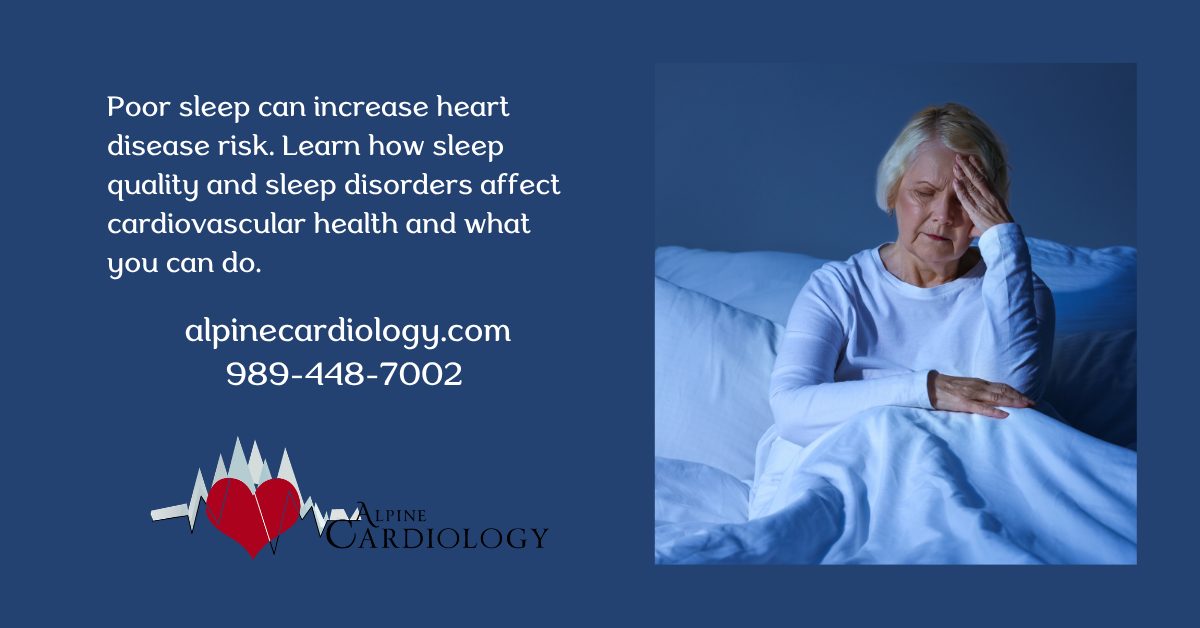
The Connection Between Sleep and Heart Health
Sleep is essential for more than just energy and mental clarity — it plays a critical role in cardiovascular health. Poor sleep can contribute to high blood pressure, heart disease, and unhealthy lifestyle habits such as increased stress, reduced physical activity, and poor dietary choices. Over time, these factors can significantly impact heart function.
Sleep Disorders and Cardiovascular Disease
Quality sleep is vital for maintaining both heart and brain health. Sleep disorders such as obstructive sleep apnea (OSA) and central sleep apnea (CSA) disrupt normal sleep patterns and are associated with a higher risk of:
- Heart attack
- Stroke
- Congestive heart failure
Inadequate sleep can also contribute to major cardiovascular risk factors including obesity, hypertension, and diabetes. Disrupted sleep often leads to fatigue, making it more difficult to maintain healthy habits.
How Sleep Affects the Heart
Sleep and heart health are closely connected. Poor sleep can indirectly affect the heart by influencing behavior. People who are sleep-deprived are more likely to crave high-fat, high-sugar comfort foods, leading to weight gain and increased cardiovascular strain.
Lack of sleep can also:
- Increase blood pressure
- Reduce motivation for physical activity
- Promote chronic inflammation
While some inflammation is necessary to fight illness, ongoing inflammation linked to poor sleep can contribute to long-term cardiovascular disease.
Interestingly, excessive sleep may also be associated with health concerns. Regularly sleeping more than nine hours per night can sometimes signal underlying conditions such as depression or chronic illness.
The Importance of Sleep Consistency
Maintaining a regular sleep schedule is just as important as the number of hours you sleep. Research suggests that adults with irregular sleep patterns may have a significantly higher risk of developing heart disease.
Your body’s circadian rhythm helps regulate:
- Heart rate
- Blood pressure
- Hormone levels
- Metabolism
Disruptions to this rhythm can negatively impact cardiovascular function.
Sleep Apnea and Heart Health
Obstructive sleep apnea is strongly linked to coronary artery disease and stroke. This condition occurs when throat tissues block the airway during sleep, causing repeated interruptions in breathing. These interruptions reduce oxygen levels and place additional strain on the heart.
Without treatment, sleep apnea increases the risk of cardiovascular complications and death. However, proper diagnosis and treatment can significantly improve outcomes and overall heart health.
Sleep and High Blood Pressure
Sleep apnea is also associated with hypertension. When oxygen levels drop during sleep, the heart must work harder, leading to increased blood pressure. If blood pressure is difficult to control, untreated sleep apnea may be a contributing factor.
Sleep and Coronary Artery Disease
Sleep apnea can worsen coronary artery disease by limiting oxygen supply to the heart and increasing cardiovascular stress. Treating sleep disorders may help reduce the risk of complications and improve long-term heart health.
Prioritizing Sleep for a Healthier Heart
The relationship between sleep and cardiovascular health is clear. Poor sleep can increase the risk of hypertension, coronary artery disease, and other serious heart conditions.
Practicing good sleep hygiene and seeking evaluation for sleep disorders can help improve both sleep quality and heart function. If you experience symptoms such as loud snoring, daytime fatigue, or interrupted sleep, talk to your healthcare provider about whether a sleep study may be appropriate.
Dr. Bobish
Dr. Bobish and her team’s goal is to help you reduce your risk of heart disease. Helping you to understand your risk factors and make healthful lifestyle changes.
Remember regardless of age or current state of health it is never too late to start protecting your heart. It is also never too soon and the sooner you act the better. Follow us on Facebook to see our latest post helping to keep you heart healthy. You can also explore all our articles that offer diet and exercise tips, recipes and information on procedures and heart disease.
Dr. Bobish and her team focus on preventative care and are here to support you. Alpine Cardiology provides patients with education as well as compassionate care and treatment. We are committed to keeping you healthy and heart smart! Request an appointment at 989-448-7002